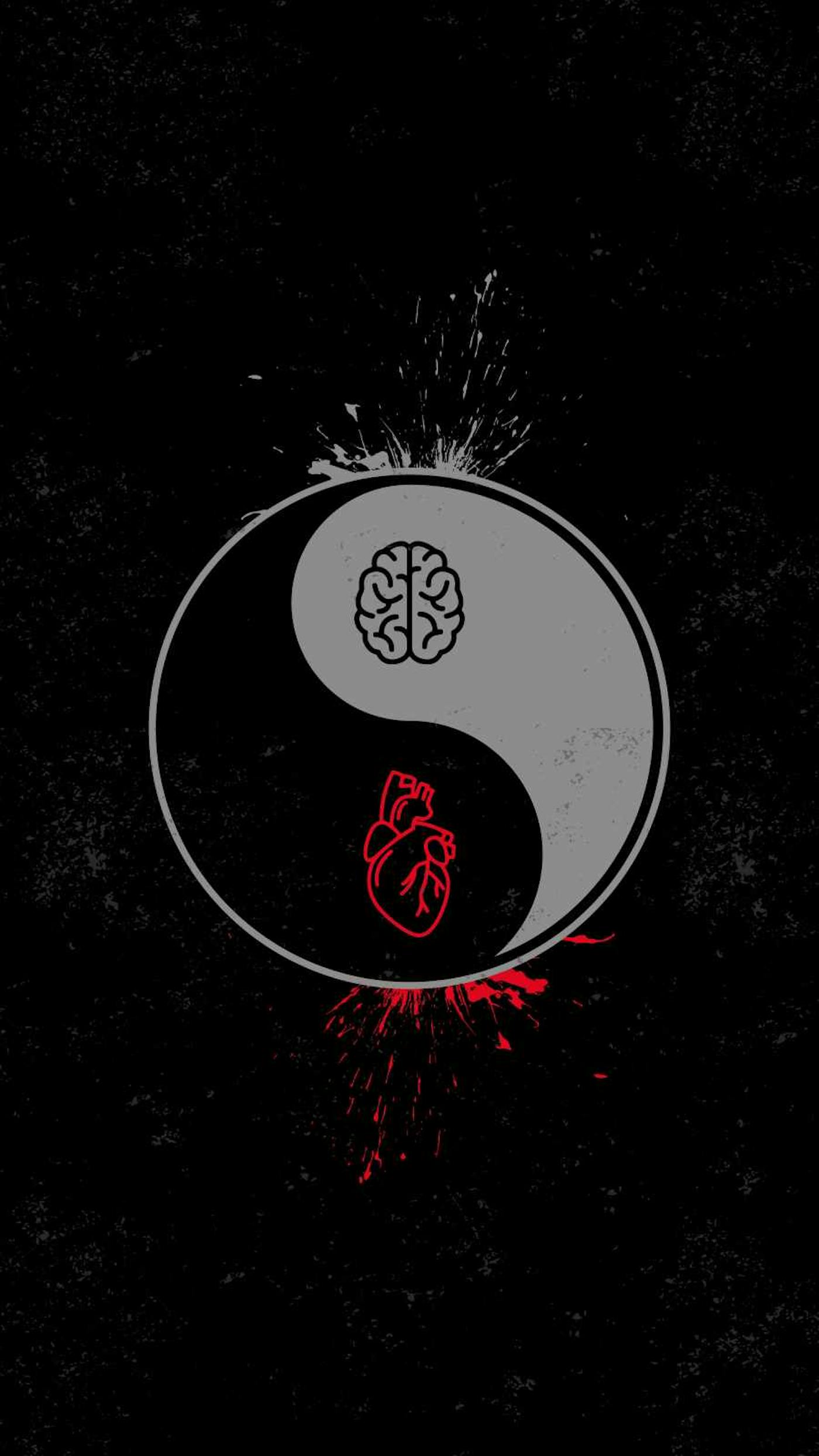
The Heart or the Brain: Where Does Love Truly Come From?

Love is often portrayed in poems, songs, and literature as something that emanates from the heart. But is it really the heart that feels love, or is it more about what goes on in our minds?
Most people, when they experience love, don’t dwell on what happens in their brain. They simply feel the emotion and let it take over. It’s a common belief that love springs from the heart, as old tales and romantic notions have taught us. You might have seen the cupid aiming the arrow to the heart, not the brain of course.
Yet, the reality might be more complex.
Physiologically speaking, the heart does play a role in how we experience love.
When we’re in love, our hearts may race, and we often describe intense feelings as “heartfelt.” But the real control lies with the brain.
The heart’s physical responses are managed by the brain, particularly by a region known as the amygdala. This area of the brain is responsible for processing emotions and making sense of our feelings.
When we talk about love, the amygdala helps differentiate between what makes us happy and what makes us sad. It processes our emotional responses and helps us understand what we’re feeling. However, it’s not just the amygdala at work. Our entire brain is involved in interpreting love, influencing our thoughts and actions.
In moments of deep affection, the brain releases chemicals like dopamine, which contribute to feelings of joy and connection. The brain’s intricate networks create a sense of attachment and reward, reinforcing the emotional experience of love. This interplay between brain chemistry and emotional response illustrates why love feels so powerful.
Even though we often associate love with the heart, it is the brain that orchestrates our emotional responses. Love is not just a spontaneous feeling but a complex process involving various brain functions. The heart may feel the impact, but the brain governs the experience.
So, while the heart might symbolize love in poetic terms, it is the brain that truly guides how we experience and understand this profound emotion. In the end, love is a beautiful blend of heart and mind—a dynamic interplay that makes us feel alive and connected.
Still, regardless of where love originates, as human beings, we cannot escape its embrace. At times, it brings us joy, and at other times, it brings tears.
When you believe you are in love with someone, consider this: what are the qualities you admire about them? Ask yourself, “If these qualities were to vanish, would my love for them remain?”
Ultimately, it might be best to cherish love as a magical experience rather than dissecting it through the lens of science. In reality, finding a love that heals and instills hope is rare.
After all, true love is a rare treasure that only a fortunate few may find. Don’t you agree?